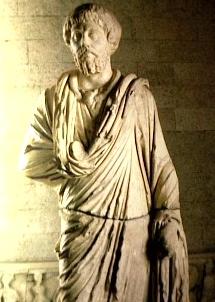
 Plato said that, in an ideal society, the philosophers would be the kings, or the kings would be philosophers. Marcus Aurelius in some ways would seem to be exactly the kind of "philosopher emperor" Plato would have wanted. Please read the opening sections of Marcus Aurelius' Meditations. Choose a line that particularly well shows one of the things Aurelius particularly values, and note whether this value would make him a good emperor or not.
Monday, October 6, 2025
Marcus Aurelius (Extra Credit)
Plato said that, in an ideal society, the philosophers would be the kings, or the kings would be philosophers. Marcus Aurelius in some ways would seem to be exactly the kind of "philosopher emperor" Plato would have wanted. Please read the opening sections of Marcus Aurelius' Meditations. Choose a line that particularly well shows one of the things Aurelius particularly values, and note whether this value would make him a good emperor or not.

Subscribe to:
Post Comments (Atom)
After reading some of Marcus Aurelius' Meditations the one I found interesting is one from section five and it goes "from him too I learned endurance of labour, and to want little, and to work with my own hands, and not to meddle with other people’s affairs, and not to be ready to listen to slander." I thought that this was very interesting to read and here what he thought about how to govern. This shows his values because he understands his people and shows them he won't get into your problems and will do the things he needs to do to get things done himself just like he's one of them. I think this shows how he would be a good emperor because he says he wont get into business he doesn't need to get into and will do hard work with his hands showing he will do his part to help his empire.
ReplyDelete"3. From my mother, piety and beneficence, and abstinence, not only from evil deeds, but even from evil thoughts; and further simplicity in my way of living, far removed from the habits of the rich."
ReplyDeleteA few things that many rulers have suffered from was 1) a hot temper, 2) insatiable lust, and 3) overspending.
The hot temper made kings and emperors hated, especially those that ordered executions at the change of their moods. The insatiable lust led to many bastards and complications regarding relationships between emperors and their wives, as well as the neglect of important duties. And overspending caused the people to hate the one doing the spending, especially if they were being open about it.
In this advice and in these values, he was setting himself up to be a good ruler, as all emphasize patience, understanding, and thinking things through, including consideration of the people when he makes decisions.
Not many rulers did this, oftentimes describing themselves as being faultless due to their royal birth.
“From my grandfather Verus I learned good morals and the government of my temper.”
ReplyDeleteThis line shows that Aurelius really values self-control and moral character. These traits would make him a good emperor because they suggest he could act justly and resist letting personal desires or anger influence his decisions. His focus on virtue and discipline aligns with Plato’s idea of a philosopher-king, someone who rules not for power or wealth but with wisdom and with a responsibility.
"From Maximus I learned self-government, and not to be led aside by anything; and cheerfulness in all circumstances, as well as in illness; and a just admixture in the moral character of sweetness and dignity, and to do what was set before me without complaining."
ReplyDeleteLearning the art of one not to be deceived and two not to complain when times aren't ideal are great qualities for an emperor to have. He highly valued the stoic philosopher belief system and put into practice when it came to his leadership. He wasn't one to be controlled by his emotions and the waves of the world. He was steady and consistent.This could make him into one of the great emperors, and the closest thing to a philosopher king.
"I learned from him… to be free from passion and yet full of affection; and to be resolute in matters that need decision, yet not obstinate.” This line highlights Aurelius’s deep commitment to self-control, moderation, and rational judgment—core Stoic values. He admires an ability to govern emotions, avoid excess, and make firm decisions without becoming rigid or cruel. This would make him a great emperor. Emotional self-control would help prevent impulsive or vengeful decisions, especially in times of war or political crisis. His emphasis on affection without passion suggests a ruler who cares for his subjects but is not swayed by popularity or personal favoritism.
ReplyDeleteI have read a bit from Meditations before and found it very interesting and a good tool for learning about the world and what good values would be. It is a great piece of writing and thought.
I seem to have forgot to put my name once again. This was me.
Delete"I learned freedom of will and undeviating steadiness of purpose; and to look to nothing else, not even for a moment, except to reason". i think this quote shows very well what all Marcus could have been had he had the time to put this drive into his work but it shows that he's willing to step back for a moment and try to reason the bigger picture. A quality that i think is extremely important for an emperor.
ReplyDelete